
Dragon's Dogma 2 Dark Arisen Spoils System and Addictiveness
Explore how the Spoils system in Dragon's Dogma 2 Dark Arisen drives gear progression and addictiveness in the Norgan expansion region.
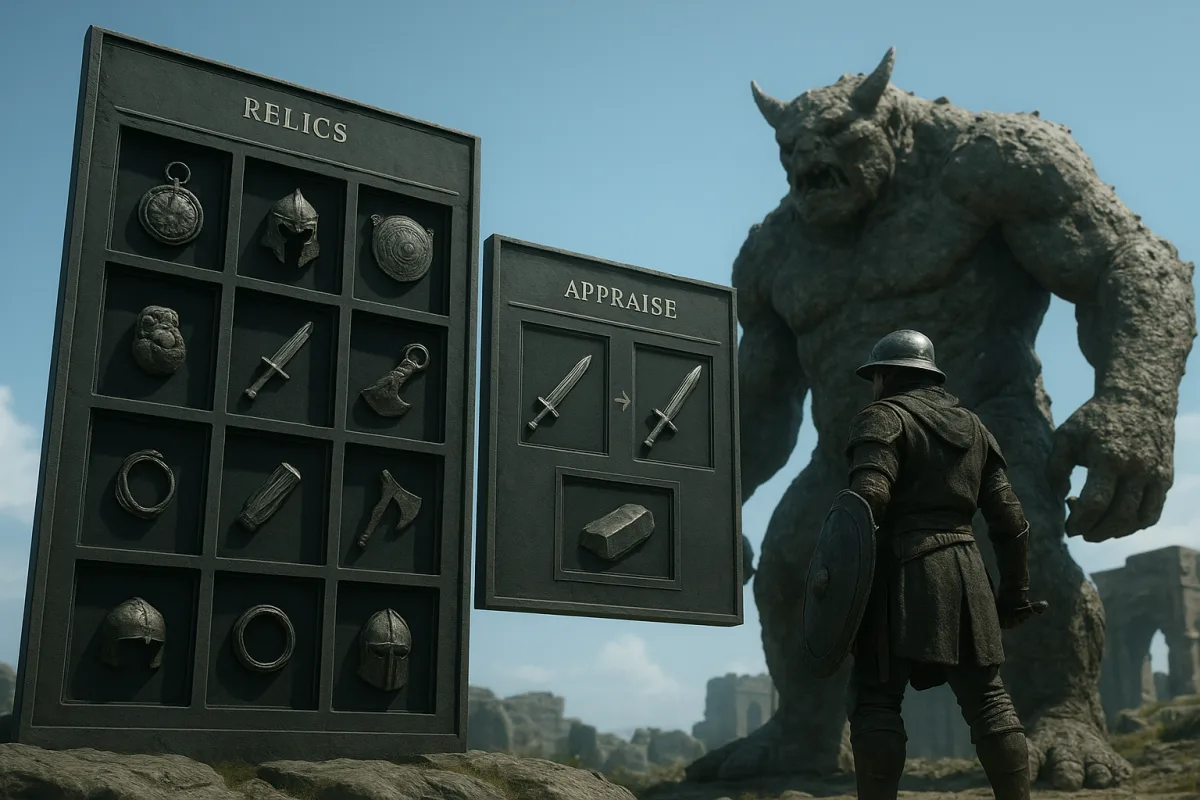
The addictive part is not the snow, it is appraisal
Dragon’s Dogma 2: Dark Arisen’s big trick is the Spoils system. It makes uncertain equipment rewards the fuel for nearly every other activity in Norgan, the snowy expansion region, rather than leaving gear progression as an occasional chest-opening interruption.
That sounds suspiciously like the usual RPG promise of better loot, forever. The distinction is that Dark Arisen puts relic appraisal in the middle of its progression loop: find relic gear and skill rewards while exploring, appraise them, alter a loadout, then try content that previously punished it. [4]
GamingBolt calls this a relic system and describes frequent drops as the reason exploration becomes a farming route rather than scenery between quests. That is the useful observation, even if its script overstates several story details that other reporting does not support.
There is no corroborated character called “Nord Gan,” nor evidence of a “second origin” protagonist changing the story. The region is Norgan, and available character coverage instead points to figures including Eir and the Fallen Dragon. [5]
That correction matters because it puts the focus where Dark Arisen’s actual staying power appears to be: a gear economy. The main campaign may provide direction, but the compulsive bit is deciding whether one more relic can repair the weak point in a build.
What a Spoils loop actually asks you to do
The loop begins after access to Norgan, which PC Gamer says is started by speaking to Captain Brant at Vernworth’s Stardrop Inn at night. The published recommendation is around level 40, a warning label rather than a guaranteed power level. [1]
At that point, players explore Norgan, fight its stronger enemy roster, find Spoils or relic-related rewards, and appraise them for equipment, weapons, or skills. Those outcomes can improve combat statistics or widen the set of usable skill options. [4]
The appraisal step matters because an unidentified relic is potential power, not power already banked. It asks the player to return to a management screen, inspect what the reward became, compare it against current gear, and decide whether it enables a different approach.
That is a small piece of friction with a large behavioural effect. A fixed boss sword is a solved problem: equip it if its numbers win. Randomised or variable reward pools keep the question open, because the next result might fit the vocation, pawn, or encounter better.
The game then sends players back into the field with a concrete reason to test that answer. If a weapon improves output, a skill changes crowd control, or armour makes survival less precarious, the next field boss becomes a practical measurement rather than just another map icon.
GamingBolt’s impression is that base-game equipment, even upgraded gear, stops being sufficient quickly in Norgan. That is plausible as intended expansion tuning, but it should not be read as proof that every old build is literally invalid.
The real pressure comes from the combination of higher enemy durability, harder-hitting encounters, and limited recovery resources during long outings. A build that once won through general-purpose damage may now need better stagger, safer positioning, elemental coverage, or a pawn configured to rescue it.
Why six slots change the value of every drop
Dark Arisen raises weapon-skill capacity from four slots to six. [4] It is a quality-of-life change on paper, but in practice it reduces the opportunity cost of adapting to new gear and encounter demands.
With four slots, taking a situational answer often meant cutting a core tool. A Fighter, Archer, Mage, or other vocation could gain a useful specialised skill, then leave it unused because the existing rotation was already full.
Six slots allow the build to retain its bread-and-butter attacks while adding a response to a specific Norgan problem. That is the quiet buff to experimentation, and it gives the Spoils system more chances to produce something worth equipping.
In other words, Dark Arisen is not merely dropping more things. It is increasing the number of things a player can practically use at once, which makes niche rewards less likely to be instantly sold, ignored, or treated as inferior duplicates.
The build it hurts most is the old all-purpose setup, built around four universally strong skills and a single settled gear set. That approach can still function, but the expansion’s rewards are structured to tempt players away from it.
The build it quietly buffs is the adaptable one: a player who changes skills between routes, field bosses, and story objectives, and who treats the main pawn’s loadout as part of the solution. That is Dragon’s Dogma at its best, but with stronger incentives.
GamingBolt also praises more responsive pawn intervention, including help when the Arisen is grabbed. That would make party composition more meaningful in dense fights, although players should separate that reported impression from independently documented mechanical numbers, which remain sparse.
Difficulty is the cost of the reward loop
The level-40 recommendation creates the right kind of mismatch. Players arrive competent enough to understand their vocation and pawn setup, but not so dominant that they can ignore Norgan’s equipment economy. [1][4]
This is why the loop can feel addictive rather than simply grindy. The player does not farm abstract experience points alone. Each excursion can potentially produce an item or skill that changes the next encounter’s texture.
A difficult field boss can consume curatives, expose a missing defensive option, and push the player back toward exploration. The return trip has a rationale: secure better Spoils, rebuild the loadout, and come back with a different answer.
That does not mean every repeat is profound. Reports collected by Particle note praise for the scale of Norgan, while criticism elsewhere continues to flag repetitive enemies, side quests, imprecise markers, and awkward traversal. [7][2]
The difference is whether a repeat produces new decision-making. Fighting another enemy pack only to scrape together numbers is rote. Fighting one because it might deliver a relic that alters a weak build component is the sort of progression gamble that keeps sessions running late.
Hard Mode sharpens that logic across saves by making enemies tougher. [4] It is not a mode for players who want to preserve a settled power fantasy, because it raises the penalty for treating an old loadout as permanently finished.
The expansion also supports three separate playthroughs, each with a distinct Arisen and main Pawn. [4] That is a larger commitment than a single respec, but it suits players who want separate vocation experiments rather than one character carrying every possible answer.
The meta moves quickly, then slows down
Calling this a “meta” needs a qualification. Dragon’s Dogma 2 is not a competitive game where one balance patch establishes a tournament tier list. Its meta is personal and practical: which vocation, skills, gear, and pawn arrangement clear Norgan efficiently.
Dark Arisen moves that meta fast at first because new equipment enters the pool while prior gear loses relative value. GamingBolt argues that the expansion can trivialise the base game after players gain momentum, which is exactly what a higher-tier loot loop tends to do.
The initial shift should take only a few successful appraisal runs for a level-appropriate player. A strong relic result can immediately replace a base-game piece, while the extra two skill slots let the rest of the build absorb the change without a total rebuild.
The slower phase begins once a player has functional Norgan gear for both the Arisen and main Pawn. At that point, upgrades become optimisation: searching for more suitable rewards, adjusting fashion with transmog, or refining tools for particular bosses rather than simply surviving them.
Transmogrification is important here because it separates appearance from statistics. [4] It removes the usual visual cost of equipping a stronger but uglier item, so players can pursue power without being forced to look like they lost an argument with a storage chest.
There is an unpleasant catch. Steam user reports and wider critical coverage have flagged performance problems while handling large inventories or using transmog, apparently where menus render extensive gear selections. [9][2]
That issue attacks the exact part of Dark Arisen designed to be habit-forming. If appraisal and wardrobe management stutter or slow down, the satisfying rhythm of find, inspect, equip, and retry becomes administrative work.
Content helps, but the system does the retaining
Norgan’s mandatory questline is reported to contain roughly 12 quests and take about 20 to 25 hours for high-level players. [4][5] That is enough authored structure to keep the loot loop from feeling detached from a destination.
Still, a campaign length does not explain repeat engagement by itself. The system works because it makes an unfinished route, a hard boss, or a badly timed defeat into evidence that the current setup has a solvable weakness.
The expansion’s performance improvements also matter to that cadence. TechRadar reports substantially improved PC frame rates, with figures averaging up to 40 additional frames per second in towns and open areas, while console Performance Mode targets 60fps after extended optimisation. [3]
Those gains are more than a bullet point for a settings menu. Norgan reportedly combines snow effects, busy fights, and aggressive enemies, so smoother performance can make it easier to read attacks, manage positioning, and judge whether a build failed mechanically or tactically.
The official “Burn The Sky” music video published through IGN frames Dark Arisen in suitably apocalyptic terms, with its imagery of fire, darkness, and denying a divine throne. That is atmosphere, not evidence of a new system, but it fits the expansion’s harsher progression mood.
Push Square reports that Devil May Cry 5 composer Casey Edwards returned for the DLC track, though Capcom has not formally announced the composer credit. [8] Claims about universal soundtrack acclaim should therefore stay modest: there is no detailed critical consensus specifically about this song.
Which purchase fits the loop
Steam lists Dragon’s Dogma 2: Dark Arisen at $29.99 on PC, which suits someone who already owns the base game and wants the Norgan endgame, Spoils progression, Hard Mode, transmog, and expanded skill capacity. [9]
Dragon’s Dogma 2 costs $39.99 on its own and suits a cautious newcomer who wants to establish whether the base game’s vocation-and-pawn combat works for them before buying a tougher, gear-driven extension. [9]
The $49.99 bundle includes both the base game and Dark Arisen, making it the better-value entry point for a new player already interested in the full loop. [9] Those are storefront prices only, not a claim that the expansion is automatically essential.
Dark Arisen is compelling because it makes improvement visible and actionable. A relic is not merely a higher number. It is a prompt to reconsider six skill slots, pawn support, healing reserves, and whether the last loss was a wall or just a bad loadout.
Frequently Asked Questions
How does the Spoils system work in Dragon's Dogma 2 Dark Arisen?
The Spoils system is an endgame gear loop where players find relic gear and skill rewards while exploring Norgan, then appraise these relics to turn them into usable equipment or skills. This appraisal step is crucial because the relic is potential power until identified, requiring players to compare new gear against their current setup and decide if it improves their build. This loop encourages frequent exploration and experimentation with gear to tackle tougher enemies.
What makes the Dark Arisen expansion addictive in Dragon's Dogma 2?
The addictive element is the Spoils system's gear economy, which turns exploration into a continuous cycle of finding, appraising, and upgrading relics. Instead of occasional loot drops, players constantly seek better gear to improve combat effectiveness, making each new relic a meaningful decision that can change how they approach challenges in Norgan. This progression loop keeps players engaged by offering tangible rewards that directly impact gameplay.
When should I start the Dark Arisen expansion in Dragon's Dogma 2?
It is recommended to begin the Dark Arisen expansion around level 40 by speaking to Captain Brant at Vernworth’s Stardrop Inn at night. This level is suggested as a warning label rather than a comfort zone, as the expansion expects players to quickly replace even highly upgraded base-game equipment to handle tougher enemies and challenges.
How do six weapon-skill slots affect gameplay in Dark Arisen?
Increasing weapon-skill slots from four to six allows players to add specialized skills without removing core abilities, reducing the opportunity cost of adapting to new gear or encounter demands. This change encourages experimentation and makes niche rewards more valuable, as players can maintain a versatile build while also addressing specific challenges in Norgan.
What challenges does the Norgan region present in Dark Arisen?
Norgan features stronger enemies with higher durability and harder-hitting attacks, combined with limited recovery resources during long outings. Players must adapt their builds to include better stagger, safer positioning, elemental coverage, or pawns configured for rescue, as base-game equipment quickly becomes insufficient even when upgraded. The region’s difficulty encourages strategic gear upgrades and skill adjustments through the Spoils system.
How we researched this
This article was assembled from 2 video sources across 2 channels, 9 cited references.
Nothing here is based on hands-on testing. Where a figure or finding appears, it belongs to the source cited beside it, and the writing says so rather than implying otherwise. Every source is listed below so you can check it.
Sources
Dragon's Dogma 2: Dark Arisen - Official 'Burn The Sky' Music Video | IGN Fall Fan Fest 2026 — IGN
Why Dragon’s Dogma 2: Dark Arisen Is So Addictive — GamingBolt
Dragon's Dogma 2: Dark Arisen impresses more than the original RPG's DLC as per Metacritic score
Dragon’s Dogma 2: Dark Arisen — Hard Mode and Norgan Explained
Particle: Dragon's Dogma 2: Dark Arisen Wins Early Praise for Massive Norgan Expansion
Devil May Cry 5 Composer Returns for Dragon's Dogma 2 DLC, Makes a Banging Metal Track | Push Square
Watch Dragon’s Dogma 2: Dark Arisen Expansion and Addictiveness on Youtube
Also from the sources
Related Articles
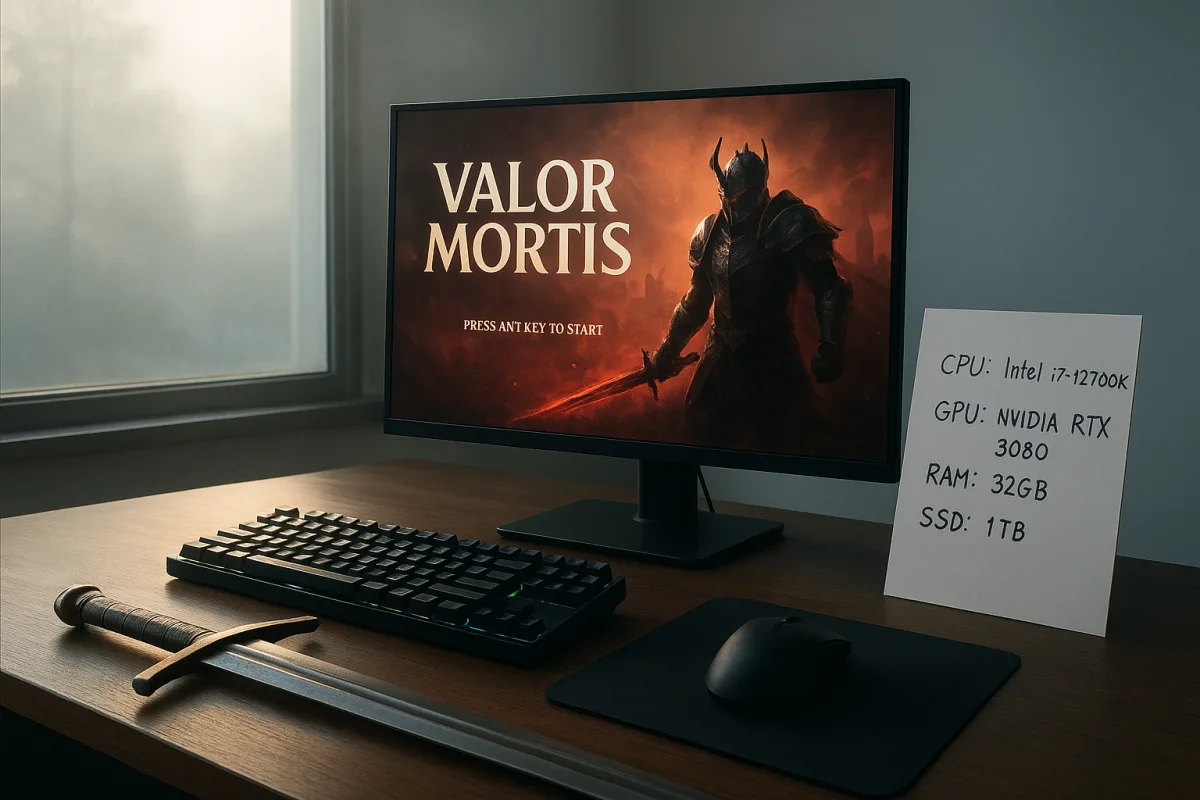
Valor Mortis system requirements and review
Get detailed Valor Mortis system requirements and an in-depth review covering gameplay, combat, and hardware needs for PC players.
Phantom Blade Zero PC Gameplay and Performance Guide
Explore Phantom Blade Zero PC gameplay, system requirements, and optimization tips to ensure smooth performance and master combat mechanics.

Ace Combat 8 Wings of Theve PC Reception and Features
Explore Ace Combat 8 Wings of Theve PC reception, system requirements, editions, and multiplayer features before its October 2026 launch.
Ace Combat 8 Wings of Theve Gameplay and Franchise Revival
Explore Ace Combat 8 Wings of Theve gameplay, new weather mechanics, system requirements, and how it revives the arcade flight combat franchise.