
Metro 2039 Gameplay and Developer Insights on Survival
Explore Metro 2039 gameplay and developer insights focusing on crafting, stealth, and survival mechanics shaping the player experience.
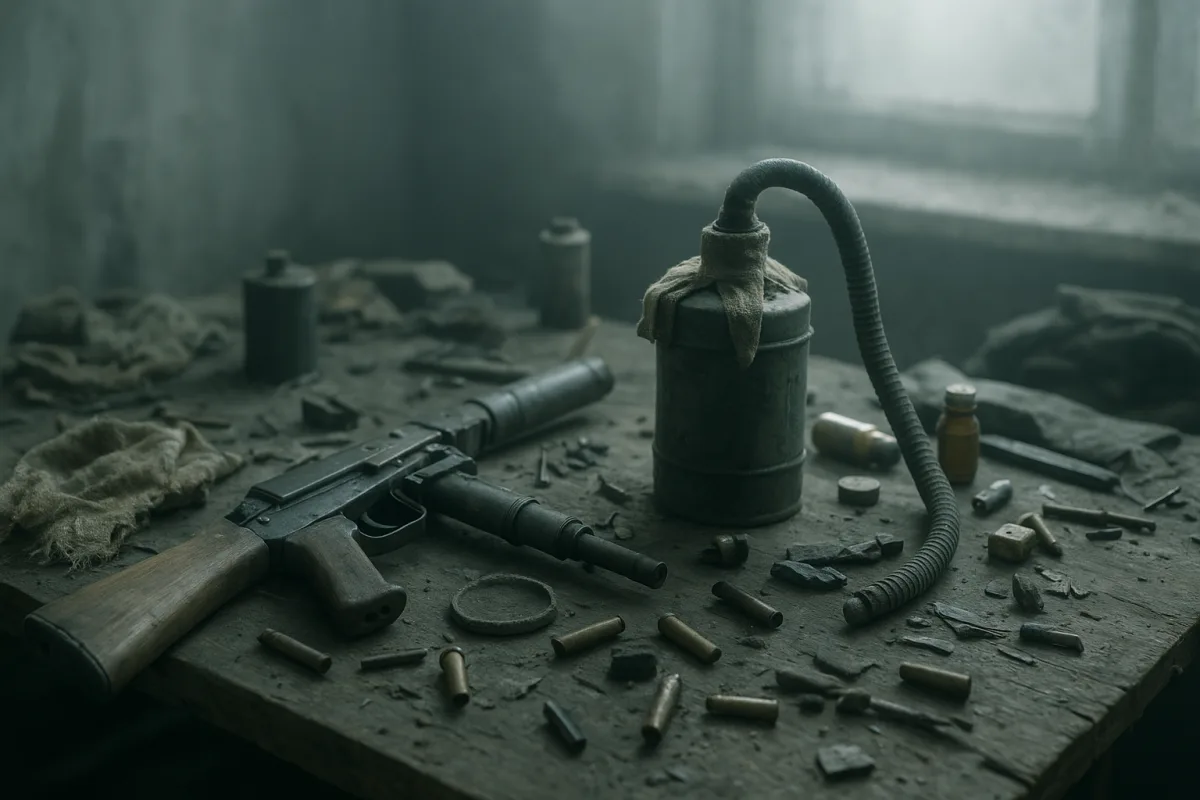
Metro 2039’s real difficulty setting is its crafting budget
Metro 2039 is not trying to make stealth and exploration separate playstyles. The more interesting idea is that both feed the same survival economy.
That is the system worth watching in 4A Games’ next Metro: not whether The Stranger can sneak through a compound or shoot through it, but what either choice does to the supplies needed to remain outside long enough to finish the job. Filters, ammunition, medical kits and throwables appear to compete for scavenged materials. In practical terms, every detour through a ruined Moscow building is a calculation about oxygen, firepower and the likelihood that you will need both before getting back underground.
It is a familiar Metro loop, but the preview material suggests 2039 is pushing it harder than Metro Exodus did. The game is due in February 2027, though detailed PC requirements have not yet been published. Steam currently lists only the need for a 64-bit processor and operating system, not a CPU, GPU, RAM or storage target. [7] Do not mistake all that extremely crisp ray-traced footage for evidence that your current PC is ready. It is not evidence of anything yet.
What we can unpack is the resource system that makes the game’s smaller exploration spaces matter.
The filter is not a timer, it is a spending limit
On the irradiated surface, the Stranger’s gas-mask filter runs down continuously. Promotional gameplay shown by jackfrags and IGN presents the remaining duration on a wristwatch, ticking toward zero. When the filter expires, the problem is not a debuff or a temporary visibility effect. The character cannot breathe.
That sounds obvious, but it changes the normal open-area shooter rhythm. In most games, optional buildings are a question of time: is a side room worth the two minutes it takes to clear? In Metro 2039, the price is also breathable air. The player cannot simply wander through every apartment block because the level designer put one there. Every extra room consumes filter time, creates more opportunities to be injured, and may require ammunition or medical supplies to leave alive.
This is why filters are more important than standard “survival crafting” filler. They put a hard ceiling on exploration. A player can enter an optional pharmacy, school or library with ten minutes of safe air remaining, find a puzzle or a stash, then discover they have spent so long searching that the return route has become the real encounter.
Rock Paper Shotgun’s hands-on report described repeatedly reaching the final minute of filter life in its roughly two-hour session, and facing the unpleasant choice between crafting more filters or replenishing ammunition. That is exactly where the system gets teeth. A scavenged pile of components is not generically useful loot. It is a choice deferred until the player knows which disaster is most likely next.
Craft another filter, and you can keep exploring. Craft ammunition, and you might survive the next mutant pack. Craft a medkit, and you have insurance against a botched stealth route. Spend the materials on the wrong answer and Metro’s usual “everything is lethal” framing stops being atmosphere and becomes arithmetic.
Polygon’s report adds an important caveat: 4A Games said balancing was still in progress during its controlled preview, and noted that players would have access to more resources and potentially additional suits outside that slice. So the reports of tight filter pressure should not be treated as final proof that the full game will be brutally stingy. Preview builds often overtune scarcity because a developer wants visitors to see crafting and looting. Still, the fact that the studio is openly describing exploration as a risk-reward system suggests scarcity is intended to remain meaningful, not merely an early-game tutorial nuisance.
Why stealth is effectively a discount on crafting
Stealth in Metro 2039 seems built around conserving the resources that filters compete with.
The basic tools are classic Metro. Light exposes you. Promotional footage shows enemies reacting to an active flashlight, while players can switch off lights in occupied spaces, lean around cover, use night vision and remove guards with close-range takedowns or thrown knives. The game’s stated stealth model also has enemies responding to light and sound, with patrol behaviour and visual tells intended to help players read a space. [1]
The important part is what this saves.
A thrown knife can remove a human guard without alerting the rest of a group, then be recovered from the body or ground. That makes it substantially different from a silenced weapon. A suppressed gun is quiet, but it still consumes ammunition. A recoverable knife has an up-front positional cost, you need the angle, range and patience to use it, but potentially no crafting cost after retrieval.
That is the kind of build Metro has historically rewarded. The stealth player is not necessarily stronger than the loud player. They are liquid. They finish an encounter with more ammunition, more healing and therefore more spare crafting capacity for filters. That extra capacity buys access to side spaces. Side spaces contain blueprints, components and upgrades. The result is a small but meaningful snowball: clean stealth lets you explore more, and successful exploration makes the next stealth sequence easier.
It is also why community panic about “optional stealth” would be misplaced. 4A Games has said locations can offer several entrances and both loud and quiet approaches, rather than requiring a non-lethal run. The military complex shown to Polygon reportedly had three or four entry routes. That does not mean each route is equally cheap. The loud route may be fastest, but it burns bullets, healing and possibly grenades. The quiet route costs time, attention and sometimes filter life.
Those are not cosmetic alternatives. They are different ways of paying.
The loop can flip, too. A player who spends too long waiting for patrols may be forced to craft filters. A player who misses a knife and triggers an alarm may need medkits and ammunition. Stealth is cheaper only when it works. Metro has always been good at making the clean route feel fragile, and 2039 seems to be leaning into that rather than turning it into the usual omnipotent stealth build.
Exploration is where the economy becomes interesting
Metro Exodus had large, semi-open “sandbox” maps. Metro 2039 appears to shrink that structure into compact hubs branching away from a main objective. It is not a return to the purely linear corridors of Metro 2033, but neither is it another road trip across huge regions.
That middle scale makes sense for the filter economy. If the map is too linear, supplies become developer-approved pickups and exploration is mostly decorative. If it is too large, a continuous oxygen clock becomes tedious unless the game floods the player with filters. A dense hub with optional buildings is the sweet spot: each side route can be dangerous, legible and plausibly rewarding.
4A Games has said its design goal is density, including objects, sound, animation, characters and environmental detail, rather than leaving impressive art only around cutscene locations. [7] The company also says it rebuilt its renderer around full ray tracing while aiming to retain performance across platforms. [7] That is a technical ambition, not a promise of good PC optimisation, especially while the proper requirements remain absent. But it does line up with the design goal here. A cluttered, hand-authored building can hide supplies, tell a small story and create alternate routes through a combat space.
The new UV lamp is a particularly clean example. In the shown material, it reveals markings and numbers otherwise invisible to the naked eye, allowing players to follow clues to codes, doors and stashes. It can apparently also expose hidden mutants. That means it is not just a puzzle key. It is another exploration tool that can turn a risky detour into a source of resources, or prevent an ambush that would have cost ammunition and health.
This is the right place for Metro’s environmental storytelling. A ruined room is not there because a map needs collectibles. It is there because the player may be desperate enough for a filter recipe, military ammunition or weapon blueprint to risk going inside.
The war story changes what survival means
The economy is mechanical, but it fits a story that 4A Games has reworked around lived wartime experience.
The Kyiv-based developer has said Russia’s full-scale invasion of Ukraine forced it to rethink Metro 2039’s story. Executive producer Jon Bloch described a shift from earlier games’ concern with preventing war toward its consequences. [3] Creative director Andriy Shevchenko has similarly said the invasion changed the team’s outlook first, with story and gameplay changes following from that. [3]
That is why Metro 2039’s bleakness should not be flattened into franchise branding. The new Novoreich regime, led by the Führer Hunter, is a more direct authoritarian threat than Metro’s older tendency toward broad post-apocalyptic factionalism. The game’s themes include tyranny, silence and the cost of freedom, and novelist Dmitry Glukhovsky is again involved in narrative development. [2]
The Stranger is voiced for the first time in the mainline series, a deliberate change that lets the protagonist express a position rather than merely absorb the world around him. [5] There is a risk here. A talking player character can easily become the sort of companion who announces every obvious puzzle solution and drains the silence from a Metro tunnel. GameSpot’s preview specifically found the Stranger’s solo muttering excessive. But the broader reason for the change is sound: 4A wants a game with clearer moral intent.
That clarity should not be confused with a simple heroic fantasy. The studio describes Metro 2039 as a game without heroes. [3] Its survival system supports that tone. You do not rescue the world by finding a blue-glowing upgrade chest. You scavenge because the air is killing you, make the best choice from inadequate supplies, and discover that every quiet success merely gives you enough margin to make the next bad decision.
That is Metro at its best. Not a power fantasy with a gas-mask animation, but a shooter where a single crafted filter can be more valuable than a full magazine.
Frequently Asked Questions
How does the crafting budget affect Metro 2039 gameplay?
The crafting budget in Metro 2039 forces players to make difficult choices about how to spend limited scavenged materials. Players must decide whether to craft filters, ammunition, or medical kits based on their immediate needs, balancing exploration and survival. Spending resources on the wrong item can jeopardize survival, making resource management a core challenge.
What role does stealth play in Metro 2039's resource management?
Stealth helps conserve valuable resources like ammunition and medical supplies by allowing players to avoid or silently eliminate enemies with recoverable tools such as thrown knives. Successfully using stealth means finishing encounters with more materials available for crafting filters and other necessities, enabling further exploration and survival. However, stealth is only cheaper when executed well, as failure can lead to higher resource consumption.
How does Metro 2039 balance exploration and survival mechanics?
Exploration in Metro 2039 is limited by the gas-mask filter, which acts as a spending limit rather than a simple timer. Every extra moment spent exploring consumes breathable air and increases the risk of injury or combat, which in turn demands more resources. This creates a risk-reward system where players must carefully weigh the benefits of searching optional areas against the costs in filters, ammo, and health supplies.
How does Metro 2039's filter system impact player strategy?
The filter system imposes a hard limit on how long players can safely remain on the irradiated surface, making filter life a critical resource. Players must manage filter usage carefully, as running out of filter air results in suffocation rather than just a debuff. This constraint forces players to plan their routes, time exploration, and decide whether to craft additional filters or allocate resources elsewhere.
Sources
Metro 2039 Gameplay and Impressions... — jackfrags
Metro 2039 Might Be Peak Metro | Hands-On Preview Impressions — GameSpot
Metro 2039's return to the underground plays like the sneaky FPS you'd expect, but there are still good reasons to leave the beaten track — Rock Paper Shotgun
Metro 2039 Dev Reveals How the Ukraine War Led to the Series’ Darkest Game Yet — Polygon
Metro 2039 is a game about war that actually has something to say — Eurogamer
Metro 2039 Developers on How Russia's Invasion of Ukraine Changed Their Plans — IGN
METRO 2039 PC Specs: Steam, 4K and Windows Requirements | METRO 2039 Wiki
The Ukraine war's deep impact on Metro 2039’s development, story - Ars Technica
Watch Metro 2039 Gameplay and Developer Insights on Youtube
Also from the sources
Related Articles
Wardogs Early Access Preview: Tactical FPS and Cash Economy
Explore Wardogs Early Access preview covering its tactical FPS gameplay, cash economy, roles, PC requirements, and known launch issues.

Wardogs Early Success and Gameplay Insights on PC
Explore Wardogs early success, launch player stats, gameplay mechanics, and PC system requirements in this detailed Early Access overview.
Ace Combat 8 Wings of Theve Gameplay and Franchise Revival
Explore Ace Combat 8 Wings of Theve gameplay, new weather mechanics, system requirements, and how it revives the arcade flight combat franchise.
Silent Hill Townfall Review
Read our Silent Hill Townfall review covering gameplay, editions, Scottish setting, and PC performance insights for this first-person horror game.